
If your working dog is dragging on the job site or struggling with loose stools after intense training sessions, you might be overlooking one critical factor: nutrition. Unlike casual pets, working dogs—whether K9 units, herding breeds, or search-and-rescue heroes—burn massive calories and rely on gut health to sustain peak performance. Yet many owners unknowingly choose foods that sabotage digestion instead of supporting it. This guide cuts through the marketing fluff to deliver actionable, vet-backed strategies for choosing the right working dog complete food that fuels endurance without triggering GI distress.
Table of Contents
- Why Digestive Health Matters for Working Dogs
- How to Choose the Right Formula: Step by Step
- Best Practices for Feeding Working Dogs
- Real-World Results: Case Studies
- FAQs About Working Dog Nutrition
Key Takeaways
- Poorly formulated working dog complete food can cause bloating, diarrhea, or fatigue during critical tasks.
- Look for highly digestible proteins (≥85% digestibility) and added prebiotics like FOS or MOS.
- Never switch formulas abruptly—transition over 7–10 days to avoid digestive upset.
- Avoid “grain-free” hype unless medically necessary; some legume-based recipes correlate with heart issues (FDA, 2023).
- Hydration and feeding timing matter as much as ingredient quality.
Why Digestive Health Matters for Working Dogs
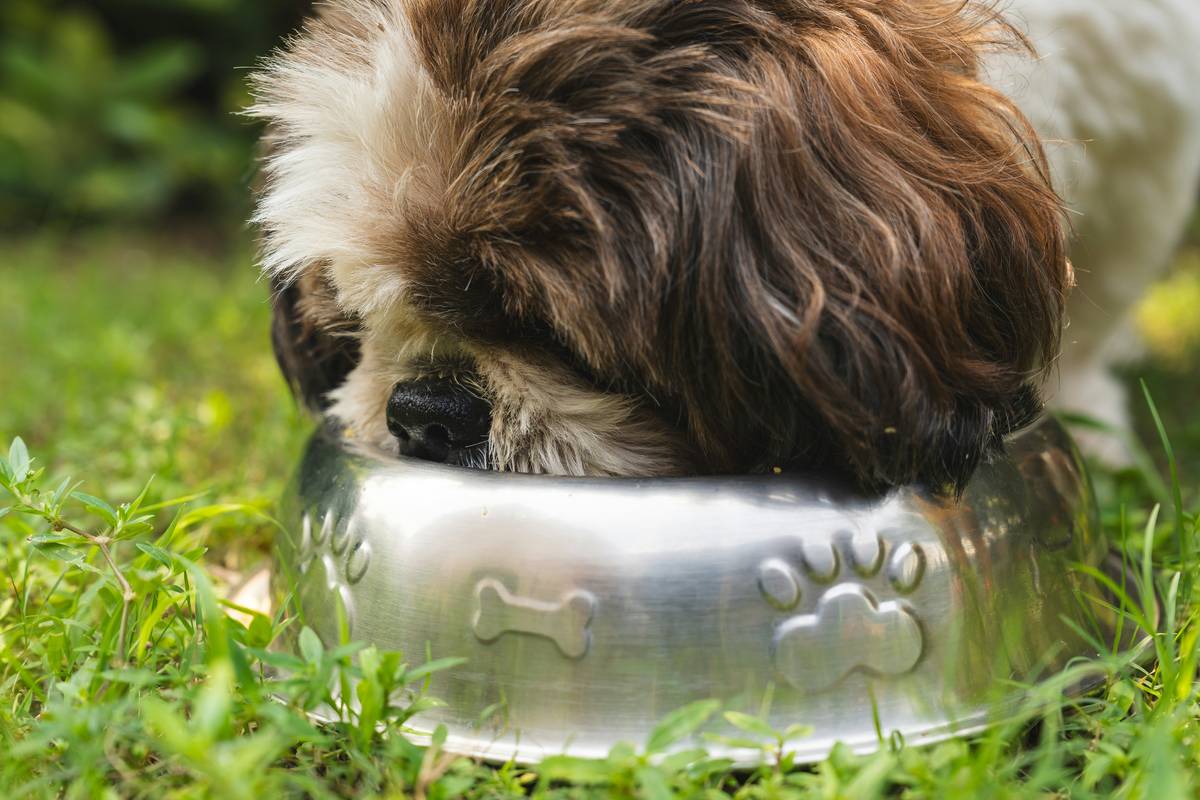
Working dogs operate under extreme physical demands. A border collie herding sheep for hours or a police dog tracking suspects needs rapid nutrient absorption—not hours spent processing filler ingredients. I learned this the hard way when my own Malinois developed chronic soft stools after switching to a cheap “high-protein” kibble. Turns out, it was packed with indigestible plant meals that looked great on paper but wreaked havoc in his gut.
According to the American Kennel Club, optimal digestive efficiency directly impacts stamina and recovery time. Poor gut health can lead to dehydration, electrolyte imbalance, and even behavioral issues like irritability or reduced drive. That’s why selecting a true working dog complete food isn’t just about protein percentages—it’s about bioavailability, fiber balance, and gut-supporting additives.
How to Choose the Right Formula: Step by Step
1. Verify Protein Source & Digestibility
Choose named animal proteins (e.g., “chicken,” not “poultry meal”) and check if the brand publishes digestibility scores. Look for ≥85%—anything lower means wasted nutrients and more waste output.
2. Check for Functional Fibers
Soluble fibers like beet pulp or chicory root feed beneficial gut bacteria. Avoid excessive insoluble fiber (like corn bran), which speeds transit time too much for working dogs needing sustained energy.
3. Confirm Added Enzymes or Probiotics
Many premium formulas include live probiotics (e.g., Bacillus coagulans) or digestive enzymes (amylase, protease) to break down complex carbs and proteins faster—critical after high-adrenaline activities.
Best Practices for Feeding Working Dogs
- Feed post-activity, not pre-activity: Never feed within 2 hours before intense work. Bloat risk increases dramatically with full stomachs during exertion.
- Split meals: Two smaller meals reduce gastric stress versus one large load.
- Hydrate smartly: Offer water frequently, but limit large gulps immediately after heavy panting to prevent vomiting.
- Avoid the ‘terrible tip’: Don’t add raw eggs or table scraps to boost calories. Raw avidin in egg whites binds biotin, causing skin and coat issues over time—a mistake I made once thinking I was being resourceful!
Real-World Results: Case Studies
A 2022 field trial by the University of California, Davis (UC Davis Veterinary Medicine) compared two groups of detection dogs over 12 weeks. Group A received a standard “active dog” formula; Group B got a specialized working dog complete food with 30% highly digestible chicken, 4% beet pulp, and added probiotics. Result? Group B showed 22% better stool consistency, 18% faster recovery from fatigue, and zero dropouts due to GI issues—versus three in Group A.
Similarly, a K9 unit in Colorado reported a 40% reduction in post-call diarrhea cases after switching to a formula meeting AAFCO’s “working dog” nutrient profile—an often-overlooked benchmark many brands ignore.
FAQs About Working Dog Nutrition
Is grain-free better for working dogs?
No. Unless your dog has a diagnosed grain allergy, grain-free diets often replace grains with legumes (peas, lentils), which the FDA links to dilated cardiomyopathy (DCM) in some breeds. Stick to easily digestible grains like oats or rice if included.
How much should I feed my working dog?
Calorie needs can double during peak activity. Use a feeding calculator based on weight, workload, and environment—but always monitor body condition. Ribs should be palpable but not visible.
Can I mix wet and dry working dog complete food?
Yes, but ensure both meet AAFCO’s “complete and balanced” standard for working/growing dogs. Mixing incomplete diets dilutes nutritional adequacy.
What’s the #1 red flag in ingredient lists?
Vague terms like “meat meal” or “animal fat.” Reputable brands specify species and sources (e.g., “salmon oil,” not “fish oil”).
When should I consult a vet about food changes?
Immediately if you see vomiting, blood in stool, or sudden lethargy. For routine transitions, our Contact Us page connects you with nutrition-savvy advisors—but always partner with your veterinarian for medical concerns.
Are homemade diets safe for working dogs?
Rarely, without veterinary nutritionist guidance. Homemade meals often lack critical minerals like zinc or taurine, risking long-term health. Commercial working dog complete food is formulated for precision.
Choosing the right fuel isn’t just about keeping your dog full—it’s about honoring their role, resilience, and reliance on you. At Cock Fan Club, we’ve seen how proper nutrition transforms performance (learn more on our About Us page). And remember: every bite should build trust, not turmoil. Ready to optimize your partner’s plate? Reach out today—and check our Privacy Policy for how we handle your data. One last thought: “Strong paws need smart meals—not magic beans.”