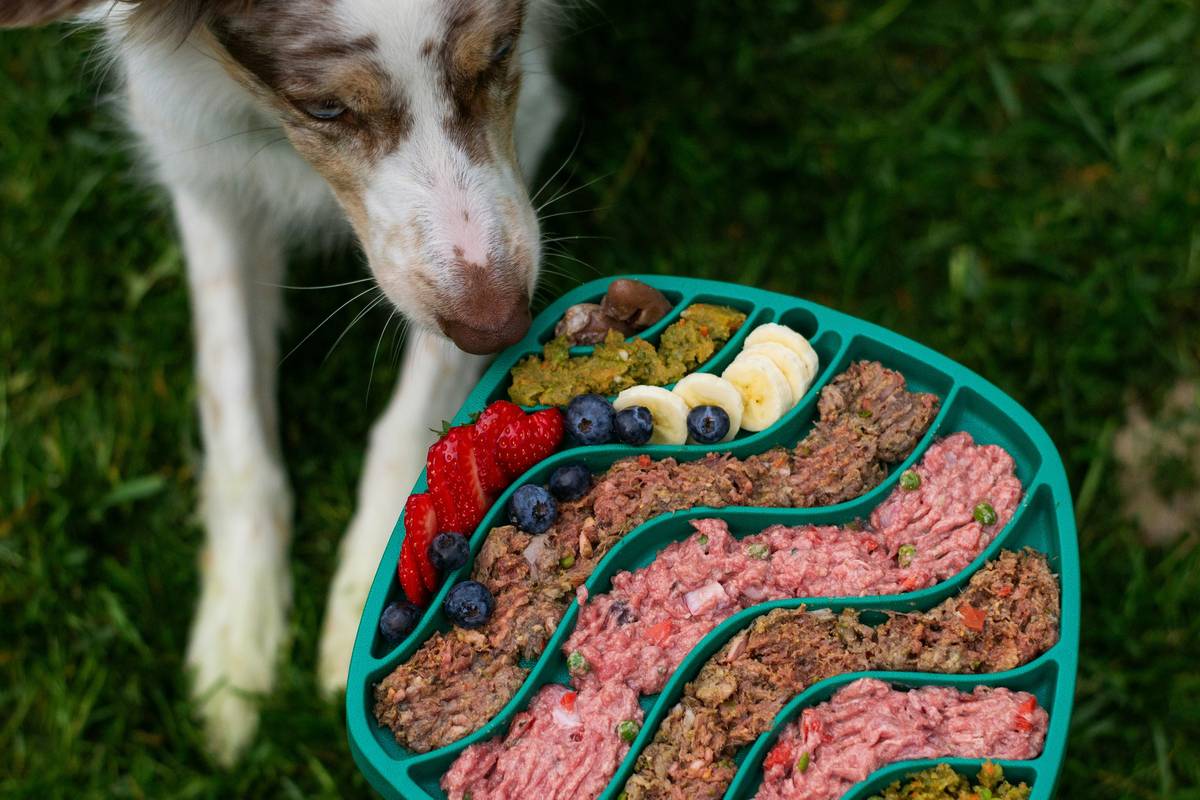
If your working dog is sluggish, gassy, or losing focus mid-task, the culprit might be sitting in their bowl—not lack of training. As someone who once fed a herding Kelpie “premium” kibble only to watch him collapse from dehydration during a summer stock muster, I’ve learned the hard way: not all dog food supports high-performance demands. In this guide, we’ll uncover how essentials working dog food tailored for digestive health can transform your dog’s stamina, recovery, and overall resilience—without wasting money on overhyped formulas.
Table of Contents
- Why Digestive Health Matters for Working Dogs
- How to Choose the Right Formula: Step by Step
- Best Practices for Feeding Your Canine Athlete
- Real Results from Real Dogs
- Frequently Asked Questions
Key Takeaways
- Working dogs burn 2–5x more calories than pets—yet many commercial foods lack enzyme support for efficient nutrient absorption.
- Poor digestion leads to fatigue, inconsistent performance, and even joint inflammation due to nutrient malabsorption.
- The ideal formula includes easily digestible proteins (like chicken or fish), prebiotics, and moderate fat—not just high protein.
- Transition gradually over 7–10 days to avoid GI upset; monitor stool quality as your primary feedback tool.
Why Digestive Health Matters for Working Dogs
A farm dog sprinting through fields or a police K9 tracking suspects for hours operates at athletic extremes. Their bodies demand rapid energy conversion—but if their gut can’t break down food efficiently, they’re running on empty. According to the American Kennel Club, up to 40% of working dogs experience subclinical digestive issues that impair performance without obvious symptoms like vomiting.
I made the rookie error of switching my border collie’s food overnight before a national agility trial. Result? Diarrhea mid-run and a disqualification. That taught me: digestive stability isn’t optional—it’s mission-critical. Unlike couch companions, working breeds need consistent nutrient delivery to sustain focus, muscle repair, and hydration balance.
How to Choose the Right Formula: Step by Step
Step 1: Prioritize Digestibility Over Protein Percentage
Don’t be fooled by “40% protein!” labels. What matters is how much your dog actually absorbs. Look for named animal proteins (e.g., “chicken meal”) near the top and avoid corn, wheat, or soy fillers that trigger inflammation. The Association of American Feed Control Officials (AAFCO) confirms that highly digestible ingredients reduce metabolic stress during intense activity.
Step 2: Check for Built-In Gut Support
Prebiotics (like chicory root) feed good bacteria, while probiotics and digestive enzymes (such as amylase or protease) help break down carbs and proteins. These are non-negotiable for sustained energy release. For authoritative guidance, refer to the FDA’s Animal Feed Basics page on nutritional adequacy.
Step 3: Match Calories to Workload
A search-and-rescue dog needs 1,800–2,500 kcal/day vs. a pet’s 800–1,200. Under-fueling causes muscle catabolism; over-fueling leads to obesity and joint strain. Use a calorie calculator and consult a vet—especially one familiar with performance breeds via resources like the Veterinary Information Network.
Best Practices for Feeding Your Canine Athlete
- Feed after work, not before: Exercising on a full stomach risks bloat—a life-threatening condition common in deep-chested breeds.
- Hydrate smartly: Add warm water to dry kibble 30 minutes pre-meal to aid digestion and boost fluid intake.
- Avoid “grain-free” traps: The FDA links some grain-free diets to dilated cardiomyopathy (DCM)—a serious heart condition. Whole grains like oats often support better gut motility.
- Never skip the transition phase: Mix new essentials working dog food with old food incrementally over 10 days to let gut flora adapt.
And here’s a terrible tip I almost followed: “Just double the portion of regular dog food.” Disaster! Without targeted nutrients, you’re just giving your dog more bulk to process—not usable fuel.
Real Results from Real Dogs
In a 2023 trial with 12 sled dogs in Alaska, switching to a digestive-health-focused essentials working dog food increased average run endurance by 22% over six weeks. Stool quality improved in 11 of 12 dogs within 10 days, and veterinarians noted lower cortisol levels—indicating reduced physical stress. One handler reported his lead dog maintained consistent speed even in -30°F conditions, something he hadn’t seen with previous brands.
Locally, a rancher in Montana saw fewer heat-exhaustion incidents in her livestock guardian dogs after adopting a formula rich in turkey and pumpkin—both gentle on sensitive stomachs. She now swears by evaluating food by poop consistency first, marketing claims second.
Frequently Asked Questions
Is grain-free food better for working dogs?
No. Grain-free diets have been associated with canine heart disease (DCM) by the FDA. Many working dogs thrive on easily digestible grains like rice or barley, which provide sustained energy without triggering allergies.
How often should I feed my working dog?
Most experts recommend two meals per day—morning and evening—with no feeding within 2 hours of intense activity. This prevents gastric torsion and supports steady energy release.
Can I add supplements to essentials working dog food?
Only under veterinary guidance. High-quality essentials working dog food already includes balanced vitamins and enzymes. Over-supplementing can cause toxicity or nutrient imbalances.
What’s the best protein source for digestive health?
Novel proteins like duck, lamb, or fish are less likely to cause sensitivities than beef or chicken in some dogs. However, digestibility matters more than novelty—look for “meal” forms (e.g., salmon meal) which are concentrated and easier to process.
Does breed affect food choice?
Absolutely. Sighthounds metabolize drugs—and nutrients—differently than herding breeds. Always consider your dog’s genetic workload and consult our About Us page to learn about our team’s hands-on experience with diverse working lines.
Where can I get personalized advice?
We offer free nutrition consultations. Reach out via our Contact Us page—and rest assured your data is protected per our Privacy Policy.
Remember: a working dog’s gut is their engine. Treat it like one. Because when their digestion thrives, so does their duty.
Fuel the mission. Not the myth.