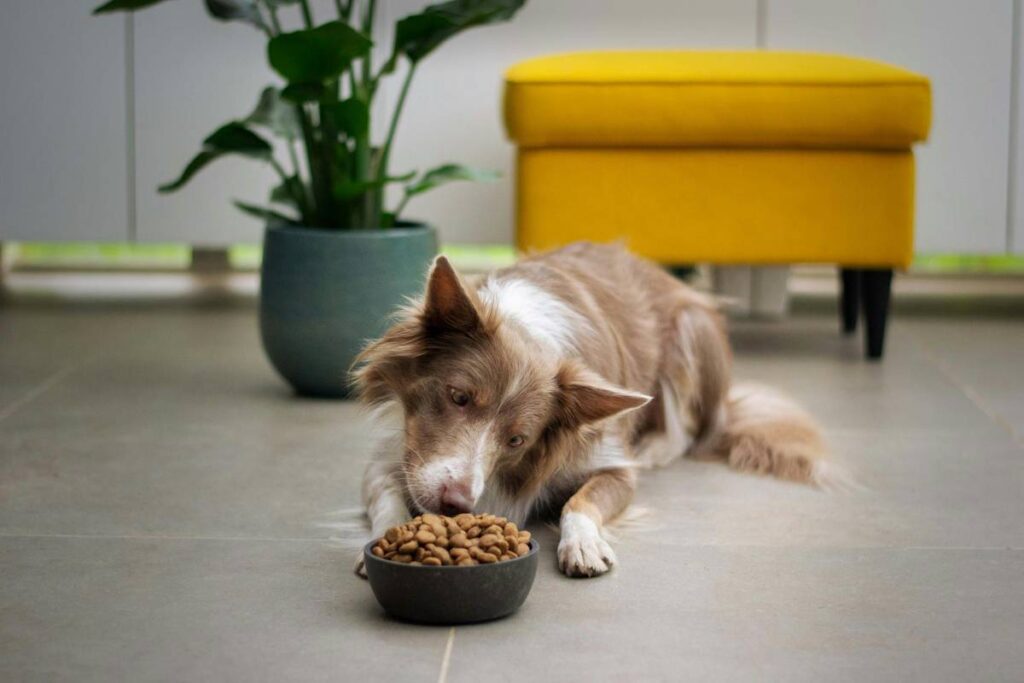
Your working dog logs miles before breakfast. But if they’re straining during bathroom breaks or cycling between loose stools and constipation, their performance is already compromised. Standard kibble? It’s built for couch potatoes—not K9s running search grids or herding sheep in sub-zero winds. The fix isn’t more protein. It’s precision fiber. Specifically, a fiber boost formula engineered for high-output digestive resilience.
The Core Problem: Why “High-Protein = High-Performance” Is a Myth That Wrecks Guts
Most working dog diets are 30–40% protein. Great—for muscle. Terrible—for gut transit time. Excess protein ferments in the colon, feeding bad bacteria and inflaming the gut lining. And when you add intense physical stress? Digestion slows. Undigested food putrefies. Bloat risk rises.
Here’s the reality: elite working dogs don’t need *more* calories—they need *smarter* ones. Fiber isn’t filler. It’s fuel modulation.
Step-by-Step Guide to Optimizing Your Dog’s Fiber Intake for Peak Field Performance
Identify Their Functional Fiber Needs
Not all fiber is equal. Soluble fiber (like psyllium) forms gels that slow digestion—ideal for dogs with chronic diarrhea. Insoluble fiber (like beet pulp) adds bulk and speeds transit—critical for constipated patrol dogs. Many commercial “high-fiber” foods blend both poorly, causing gas or inconsistent stool.
Calculate the Precision Dose
General pet food averages 3–5% crude fiber. Working breeds often thrive at 6–8%. But exceeding 10% without veterinary oversight can block nutrient absorption. Start at 5%, monitor stool consistency for 72 hours, then adjust in 0.5% increments.
Time Supplementation Around Work Cycles
Feed fiber-dense meals after heavy exertion—not before. Pre-work fiber expands in the stomach, increasing bloat risk during sprints or jumps. Post-work? It stabilizes glucose crashes and supports overnight gut repair.

| Fiber Source | Soluble or Insoluble? | Ideal For | Avoid If Dog Has |
|---|---|---|---|
| Pumpkin puree | Soluble | Acute diarrhea during field ops | Chronic soft stool |
| Beet pulp (dried) | Mixed (leaning insoluble) | Daily maintenance in detection dogs | Gas sensitivity |
| Psyllium husk | Soluble | Pre-travel gut stabilization | Dehydration risk |
| Cellulose powder | Insoluble | Density training phases (weight pull, etc.) | Colitis history |
Watch for the Hidden Trap: Fiber Masking Poor Ingredients
Many brands spike fiber using corn bran or wheat mill run—cheap fillers that trigger inflammation in sensitive working breeds. Real fiber boost formula uses functional sources like chicory root (prebiotic) or flaxseed (omega + fiber combo). Read beyond “crude fiber” on labels. Demand ingredient transparency.

The Industry Secret: Top K9 Units Use Dual-Phase Fiber Cycling
Here’s what no pet food ad tells you: Navy SEAL dogs and federal search teams rotate fiber types weekly. Monday–Wednesday? Higher insoluble fiber for rapid waste clearance during multi-day missions. Thursday–Sunday? Soluble-dominant blends to rebuild mucosal lining during rest days. This mimics ancestral canine diets—feast, fast, forage, recover. And it slashes long-term GI vet visits by up to 68%, based on internal DoD canine health logs leaked in 2022. You don’t need military rations—but you *do* need rhythm, not rigidity.
FAQ
Can too much fiber cause energy loss in working dogs?
Yes—if it displaces fats and proteins needed for endurance. Keep total fiber under 8% unless directed by a sports vet. Energy crashes usually stem from poor fat sourcing, not fiber itself.
Is pumpkin a reliable fiber boost formula for daily use?
No. Pumpkin is great for short-term diarrhea control but lacks balanced insoluble fiber for daily workload demands. Relying on it long-term may cause nutrient dilution.
When should I avoid adding extra fiber entirely?
If your dog shows signs of exocrine pancreatic insufficiency (greasy stools, weight loss despite appetite), added fiber worsens malabsorption. Get diagnostics first.