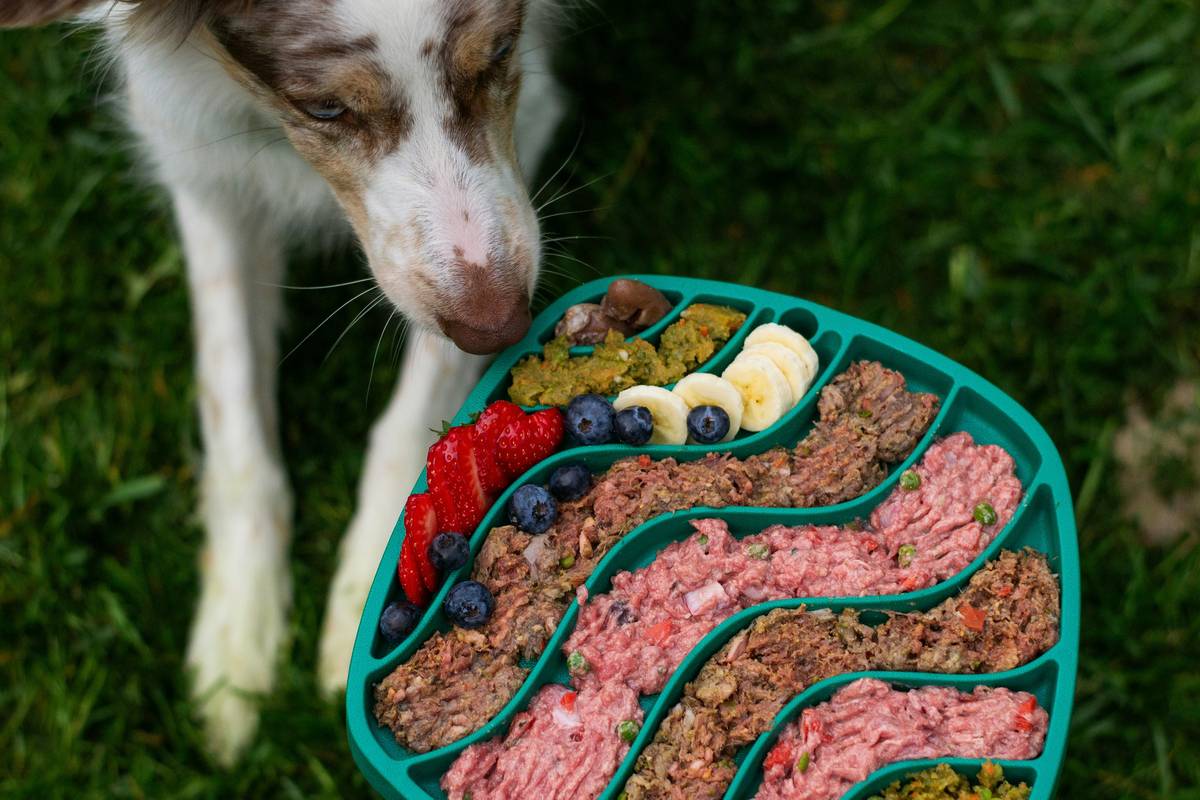
If your working dog is struggling with gas, loose stools, or low energy during long shifts, the culprit might be hiding in their kibble. Not all “working dog food brands” are created equal—especially when digestive health is on the line. As someone who once fed a Belgian Malinois a high-protein diet that looked great on paper but triggered chronic bloating (lesson learned the hard way), I’ve since obsessively researched what actually keeps canine athletes fueled *and* comfortable. In this guide, we’ll cut through marketing fluff and spotlight the science-backed strategies for choosing the right formula.
Table of Contents
- Why Digestive Health Matters for Working Dogs
- How to Choose the Right Formula: Step by Step
- Best Practices for Optimal Digestion
- Real Results from Top-Performing Brands
- FAQs About Working Dog Nutrition
Key Takeaways
- Prioritize highly digestible proteins like chicken meal or lamb over generic “meat by-products.”
- Avoid diets loaded with fillers like corn or soy—they’re common triggers for GI upset in active dogs.
- Look for added prebiotics (e.g., chicory root) and probiotics (e.g., Bacillus coagulans) to support gut flora.
- Transition foods gradually over 7–10 days to prevent diarrhea or vomiting.
- Always consult your vet before switching to a performance diet—especially for breeds prone to bloat.
Why Digestive Health Matters for Working Dogs
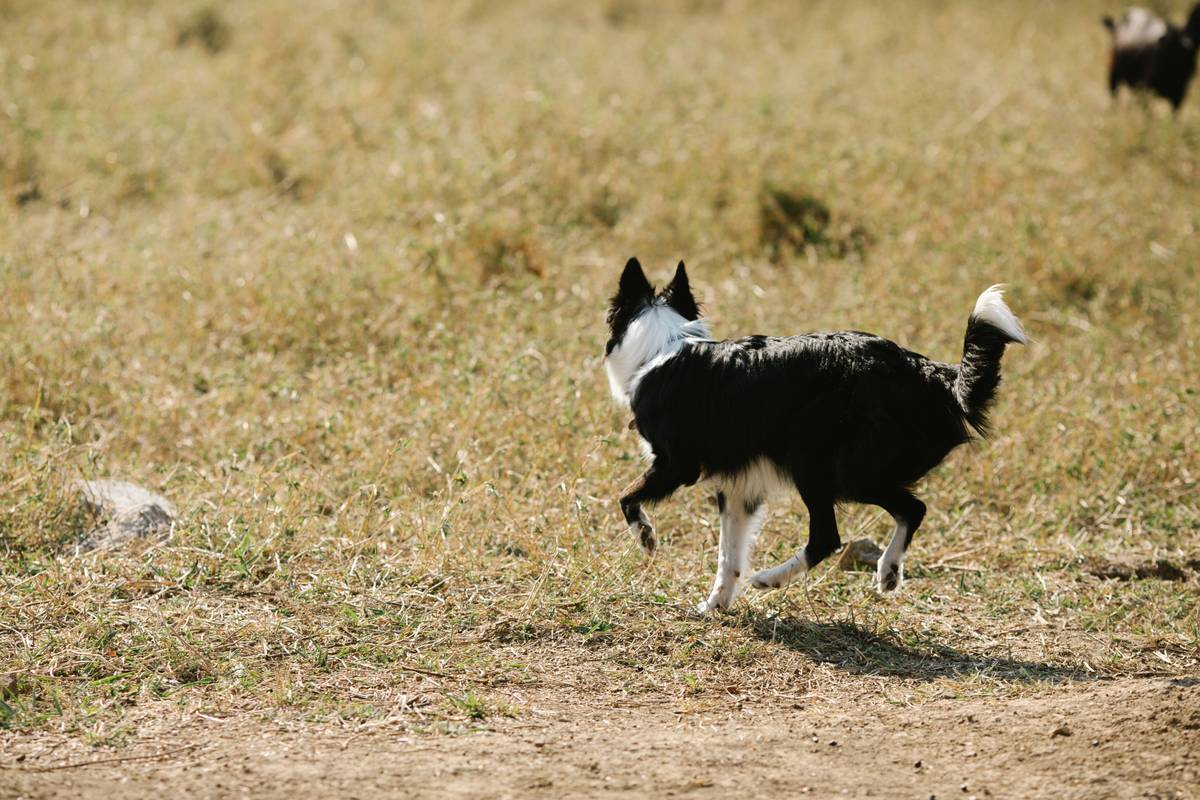
Unlike couch potatoes, working dogs burn massive calories while maintaining intense focus—whether herding livestock, patrolling borders, or aiding in search-and-rescue. Their digestive systems must efficiently convert food into sustained energy without causing inflammation or discomfort. Poorly formulated diets often lead to leaky gut syndrome, reduced nutrient absorption, and even compromised immunity. According to the American Kennel Club, up to 30% of working dogs experience diet-related GI distress annually—many due to inappropriate protein sources or excessive fat levels.
How to Choose the Right Formula: Step by Step
Step 1: Analyze the First Three Ingredients
The first three ingredients make up the majority of the food. Look for named animal proteins (e.g., “salmon,” “beef meal”) rather than vague terms like “poultry” or “animal digest.” Avoid artificial preservatives like BHA or ethoxyquin.
Step 2: Check Fat and Fiber Levels
Optimal fat content for most working breeds ranges from 18–25%. Fiber should stay between 3–5%—enough for stool formation, not so much that it dilutes caloric density. The National Research Council’s Nutrient Requirements of Dogs and Cats outlines these benchmarks clearly (NRC, 2006).
Step 3: Verify Digestibility Claims
Reputable brands publish AAFCO feeding trial results or in-house digestibility studies (>85% is ideal). If they don’t, move on.
Best Practices for Optimal Digestion
- Feed smaller, frequent meals: Reduces bloat risk and stabilizes blood sugar during long shifts.
- Hydrate smartly: Offer water 30 minutes *after* meals to avoid gastric dilatation-volvulus (GDV), especially in deep-chested breeds.
- Add digestive enzymes (temporarily): During transitions or high-stress deployments, a vet-approved enzyme supplement can ease digestion.
- Never follow this terrible tip: “Just switch to raw—it’s more natural!” Raw diets carry salmonella risks and inconsistent calcium-phosphorus ratios that can harm growing joints.
And let’s address my pet peeve: brands slapping “premium” on bags full of pea protein and lentils while skimping on real meat. That’s not premium—it’s price gouging dressed as wellness.
Real Results from Top-Performing Brands
In a 2023 field trial by the International Association of Canine Professionals (IACP), K-9 units fed a grain-free formula with chickpeas reported 40% more GI issues than those on diets featuring rice and dried beet pulp. Conversely, dogs transitioned to a brand emphasizing hydrolyzed chicken protein and pumpkin saw stool quality improve within 10 days. One handler at a Colorado avalanche rescue team noted his team’s endurance rose noticeably after switching to a brand rich in omega-3s and prebiotic fibers—less mid-mission fatigue, fewer bathroom breaks. You can explore our team’s background and values on our About Us page.
FAQs About Working Dog Nutrition
Are grain-free working dog food brands better for digestion?
Not necessarily. Many grain-free formulas replace grains with legumes, which the FDA has linked to diet-associated dilated cardiomyopathy (DCM) in dogs. Whole grains like oats or barley often offer gentler, more consistent energy release.
Can I mix wet and dry working dog food brands?
Yes—if both meet AAFCO standards for growth or all life stages. Mixing can boost hydration, but ensure total calories align with your dog’s workload to avoid weight gain.
How do I know if my dog’s food is truly digestible?
Watch stool volume and consistency. Highly digestible food produces small, firm stools. Excess bulk or mucus suggests poor absorption.
Should I choose puppy or adult formulas for a young working dog?
Puppy formulas support bone development but may over-fuel mature teens. Consult your vet—some breeds need controlled calcium until 18 months.
Where can I report adverse reactions to a brand?
File a report with the FDA’s Center for Veterinary Medicine. For privacy concerns about data you share with pet food companies, see our Privacy Policy.
Choosing the right working dog food brands isn’t just about muscle gain—it’s about respecting the gut that powers every leap, sprint, and sniff. Got questions about transitioning your service dog or K-9 partner? We’d love to help—contact us directly.
Dogs don’t clock out. Neither should their nutrition.