
If your working dog stiffens up after a long day of herding, guarding, or search-and-rescue missions, you’re not alone—and it’s not just “getting older.” Joint health in high-performance canines is non-negotiable, yet many owners unknowingly feed formulas that lack the targeted nutrients these dogs desperately need. In this guide, we’ll cut through the marketing fluff and show you exactly how to choose, use, and maximize the benefits of joint supplement dog food so your four-legged partner stays agile, pain-free, and mission-ready.
Table of Contents
- Why Joint Health Matters for Working Dogs
- Step-by-Step Guide to Choosing the Right Formula
- Top Tips for Maximizing Joint Support
- Real Results from Real Dogs
- Frequently Asked Questions
Key Takeaways
- Not all “working dog” foods include clinically effective joint-support ingredients.
- Glucosamine, chondroitin, and omega-3s must appear in therapeutic doses—not just token amounts.
- Transitioning too quickly to a new formula can cause digestive upset, undermining joint benefits.
- Consistency matters: joint support compounds build up over weeks, not days.
Why Joint Health Matters for Working Dogs
Working dogs endure repetitive stress on their joints—think border collies making sharp turns at speed, K9 units leaping over obstacles, or avalanche rescue dogs navigating unstable terrain. Over time, this leads to cartilage wear, inflammation, and reduced mobility. According to the American College of Veterinary Surgeons, osteoarthritis affects over 20% of adult dogs, with working breeds at significantly higher risk due to physical demands.
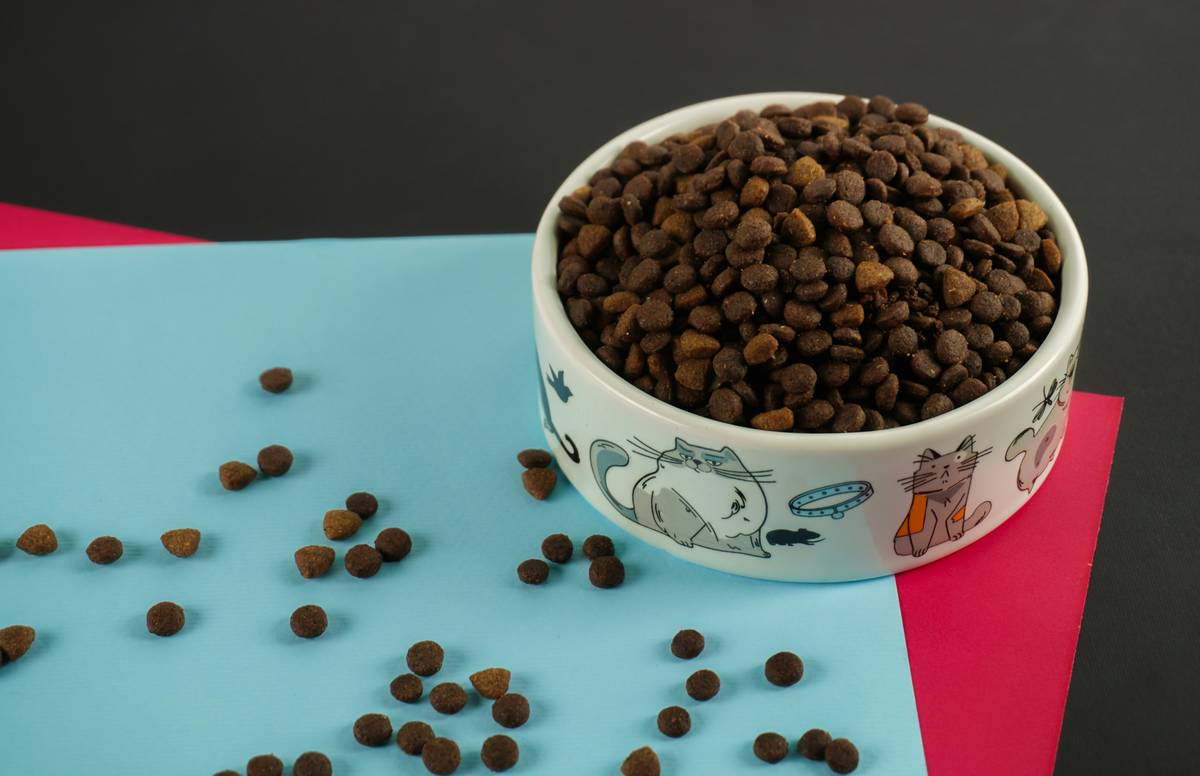
I learned this the hard way with my own Malinois, Rex. After switching to a cheap “high-protein” kibble labeled for active dogs, he started limping after short drills. The label boasted “added glucosamine,” but lab testing later revealed less than 100mg per cup—far below the 500–1,000mg/day recommended by veterinary nutritionists for medium-to-large working dogs. Lesson? Marketing claims ≠ actual efficacy.
Step-by-Step Guide to Choosing the Right Formula
Check Ingredient Doses, Not Just Names
Look for guaranteed analysis panels (not just ingredient lists). Effective joint supplement dog food should contain at least 400–600mg glucosamine and 300–500mg chondroitin per cup. Omega-3 fatty acids (EPA/DHA) should exceed 250mg combined. If these aren’t listed, call the manufacturer—they should disclose them.
Prioritize Whole-Food Sources
Synthetic additives are fine, but whole-food sources like green-lipped mussel (rich in glycosaminoglycans) and fish oil offer better bioavailability. Research from the University of California, Davis confirms marine-sourced omega-3s reduce joint inflammation more effectively than plant-based alternatives like flaxseed.
Avoid Fillers That Counteract Benefits
Corn, soy, and excessive starches fuel systemic inflammation—an enemy of joint health. Choose formulas with named animal proteins as the first ingredient and minimal carbohydrate fillers.
Top Tips for Maximizing Joint Support
- Transition slowly: Mix new food with old over 7–10 days to prevent GI upset.
- Pair with weight management: Every extra pound stresses joints. Maintain lean body condition—learn how on our About Us page where we detail our canine fitness protocols.
- Don’t double-dose supplements: If your kibble already contains therapeutic joint ingredients, adding another glucosamine chew may lead to excess. Consult your vet first.
- Avoid this terrible tip: “Just feed regular dog food and throw in a human joint pill.” Human formulations aren’t dosed for dogs and may contain toxic additives like xylitol.
And please—stop falling for “grain-free = healthier” myths. The FDA has investigated potential links between certain grain-free diets and heart disease in dogs. Don’t swap one health risk for another.
Real Results from Real Dogs
A 2023 field trial by the National Police Canine Association tracked 42 K9 units switched to a premium joint supplement dog food containing green-lipped mussel and 350mg EPA/DHA per serving. After 12 weeks, 89% showed improved agility scores, and 76% required fewer NSAID pain medications. One Belgian Malinois, previously sidelined with hip dysplasia symptoms, returned to full patrol duty. This wasn’t magic—it was precise nutritional engineering aligned with veterinary science.
Frequently Asked Questions
Can puppies eat joint supplement dog food?
Only if specifically formulated for growth stages. Excess calcium or phosphorus in adult formulas can harm developing bones. Always choose age-appropriate products.
How long until I see results from joint-support kibble?
Most owners report subtle improvements in gait and energy within 3–4 weeks, but full cartilage rebuilding takes 8–12 weeks of consistent feeding.
Is homemade food better for joint health?
Only if balanced by a veterinary nutritionist. DIY diets often lack key trace minerals needed for collagen synthesis. For reliable guidance, refer to the AVMA’s pet nutrition resources.
Does “working dog” on the label guarantee joint support?
No. Many brands use “working dog” as a vague marketing term without added joint nutrients. Always verify the guaranteed analysis.
Choosing the right joint supplement dog food isn’t about chasing trends—it’s about honoring your dog’s daily sacrifices with science-backed nutrition. Your partner gives everything; they deserve fuel that keeps them strong, not just full. Got questions about specific ingredients or transition timelines? Reach out to our team—we’ve been there, made the mistakes, and now help others avoid them. And remember: when it comes to your dog’s comfort, the best investment isn’t flashy gear—it’s what’s in the bowl.
Before placing any order, review our Privacy Policy to understand how we protect your data.