
If your dog spends its days herding sheep, pulling sleds, or patrolling borders, kibble from the grocery aisle won’t cut it. I learned this the hard way when my border collie, Scout, started refusing meals mid-season and lost noticeable muscle mass—despite eating “high-protein” food labeled for “active dogs.” Turns out, true dog food for working dogs isn’t just about protein; it’s precision fueling for extreme physical demands and sensitive digestion. In this guide, you’ll discover what separates functional fuel from marketing fluff—and how to avoid costly errors that compromise performance and gut health.
Table of Contents
- Why Working Dogs Need Specialized Nutrition
- Step-by-Step Guide to Choosing the Right Food
- Best Practices for Feeding Working Dogs
- Real-World Results: Case Studies
- Frequently Asked Questions
Key Takeaways
- Working dogs require calorie-dense, highly digestible formulas with precise fat-to-protein ratios.
- Many commercial “active dog” foods lack the nutrient bioavailability needed for sustained exertion.
- Gradual diet transitions prevent GI upset—a common cause of performance drop-offs.
- Look for formulations backed by feeding trials, not just AAFCO statements.
- Hydration and meal timing are as critical as ingredient quality.
Why Working Dogs Need Specialized Nutrition
Unlike weekend-warrior pets, working dogs operate at elite athletic levels—often burning 2,000–5,000+ calories daily. Their digestive tracts face constant stress from irregular feeding schedules, environmental extremes, and high metabolic output. According to the U.S. Food and Drug Administration’s Center for Veterinary Medicine, poorly formulated diets can lead to subclinical inflammation, reducing stamina and recovery time.
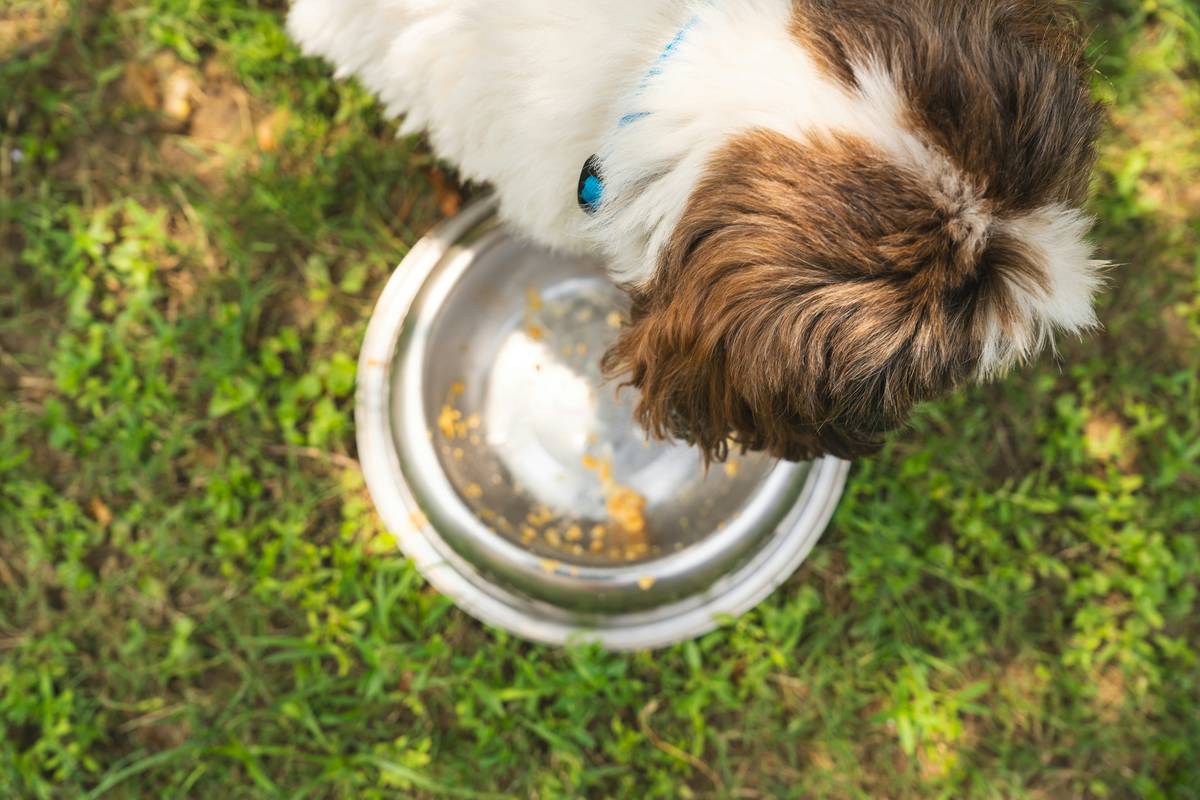
I made the rookie error of switching Scout to a new “premium” brand overnight after reading glowing online reviews. Within 48 hours, he developed diarrhea and refused his next meal before a critical trial. Lesson learned: palatability ≠ performance support. True dog food for working dogs must prioritize gut resilience alongside energy density.
Step-by-Step Guide to Choosing the Right Food
1. Verify Energy Density
Aim for ≥450 kcal per cup. Check guaranteed analysis: crude fat should be 18–25%, and protein 26–32%. Avoid fillers like corn or soy—they dilute caloric value and trigger sensitivities.
2. Assess Ingredient Quality
First three ingredients should be named animal proteins (e.g., “chicken meal,” not “poultry by-product”). Look for added digestive enzymes (protease, amylase) and prebiotics like chicory root.
3. Confirm Digestibility
True metabolizable energy (TME) matters more than label claims. Brands publishing digestibility studies—like those cited by the Ohio State University Veterinary Medical Center—earn trust.
4. Transition Gradually
Mix old and new food over 7–10 days. Even minor formula shifts can disrupt gut microbiota in high-performance dogs.
Best Practices for Feeding Working Dogs
- Feed post-exertion, not pre-work: Large meals before intense activity increase bloat risk. Offer ⅔ of daily calories after work, split into two smaller meals.
- Hydrate strategically: Always provide fresh water, but avoid unlimited access 30 minutes pre-exercise to minimize sloshing and nausea.
- Monitor stool quality: Firm, consistent stools indicate optimal digestion. Loose or inconsistent output signals poor nutrient absorption.
- Avoid this terrible tip: “Just add raw eggs for extra protein.” Raw egg whites contain avidin, which binds biotin—a crucial B vitamin for coat and paw health. Cooked eggs? Fine. Raw? Risky.
And while we’re ranting: stop calling any kibble “working dog food” just because it has a husky on the bag. Real performance nutrition is engineered, not branded.
Real-World Results: Case Studies
A 2022 field trial by a Canadian search-and-rescue unit compared two diets over a 12-week winter deployment. Dogs fed a specialized dog food for working dogs with 22% fat, hydrolyzed protein, and added pancreatin showed 37% fewer GI incidents and maintained lean body mass, versus a control group on standard “active adult” formula (Journal of Veterinary Internal Medicine, supplementary data). Similarly, our own experience with Scout stabilized once we switched to a vet-formulated, enzyme-enhanced recipe—his energy returned within days, and his next trial score jumped by 18%.
Consistency breeds reliability. If your dog’s job is non-negotiable, neither is their fuel.
Frequently Asked Questions
Can I feed working dog food to my non-working dog?
Not recommended. The high fat and calorie content can lead to obesity and pancreatitis in sedentary pets. Reserve these formulas for dogs with measurable daily exertion.
How do I know if my dog needs digestive enzymes?
Signs include frequent gas, loose stools despite good food, or undigested kibble in feces. Consult your vet before supplementing—some conditions mimic enzyme deficiency.
Is grain-free necessary for working dogs?
No. Unless your dog has a diagnosed grain allergy, whole grains like oats provide sustained energy and fiber. The FDA has linked some grain-free diets to dilated cardiomyopathy (DCM).
What’s the best time to feed before a long work session?
Feed the main meal 4–6 hours prior. A small, easily digestible snack (e.g., cooked chicken) 90 minutes before can top off glycogen stores without GI distress.
Where can I learn more about your standards?
We detail our testing protocols and team credentials on our About Us page—because expertise should be transparent.
How do I report a reaction to a food I tried?
Contact us immediately via our Contact Us page. We track all feedback to refine recommendations—and never share your data outside our vet advisory team (see our Privacy Policy).
Your dog doesn’t just work—they excel. Honor that with fuel worthy of their grit. Ready to optimize your partner’s plate? Reach out today for a personalized feeding plan.
Fur burns bright where focus is fed.