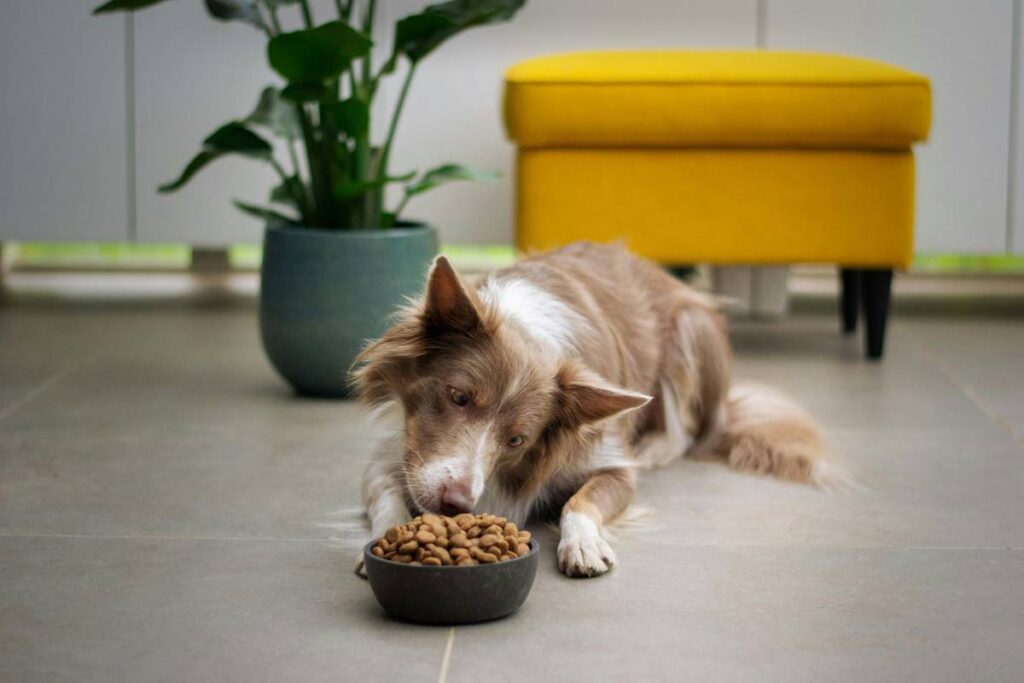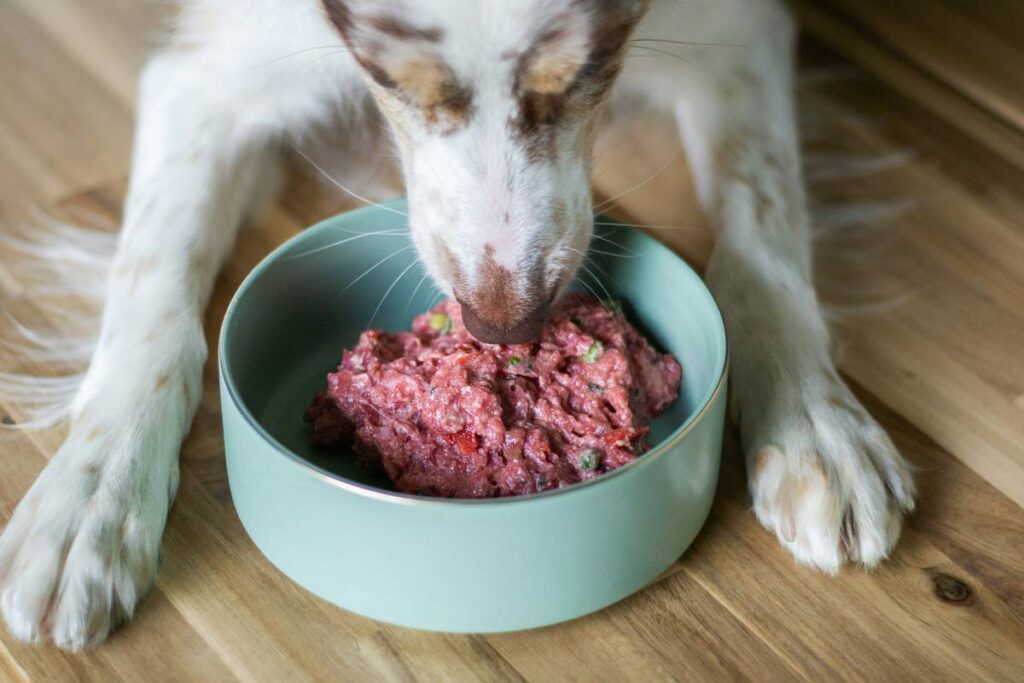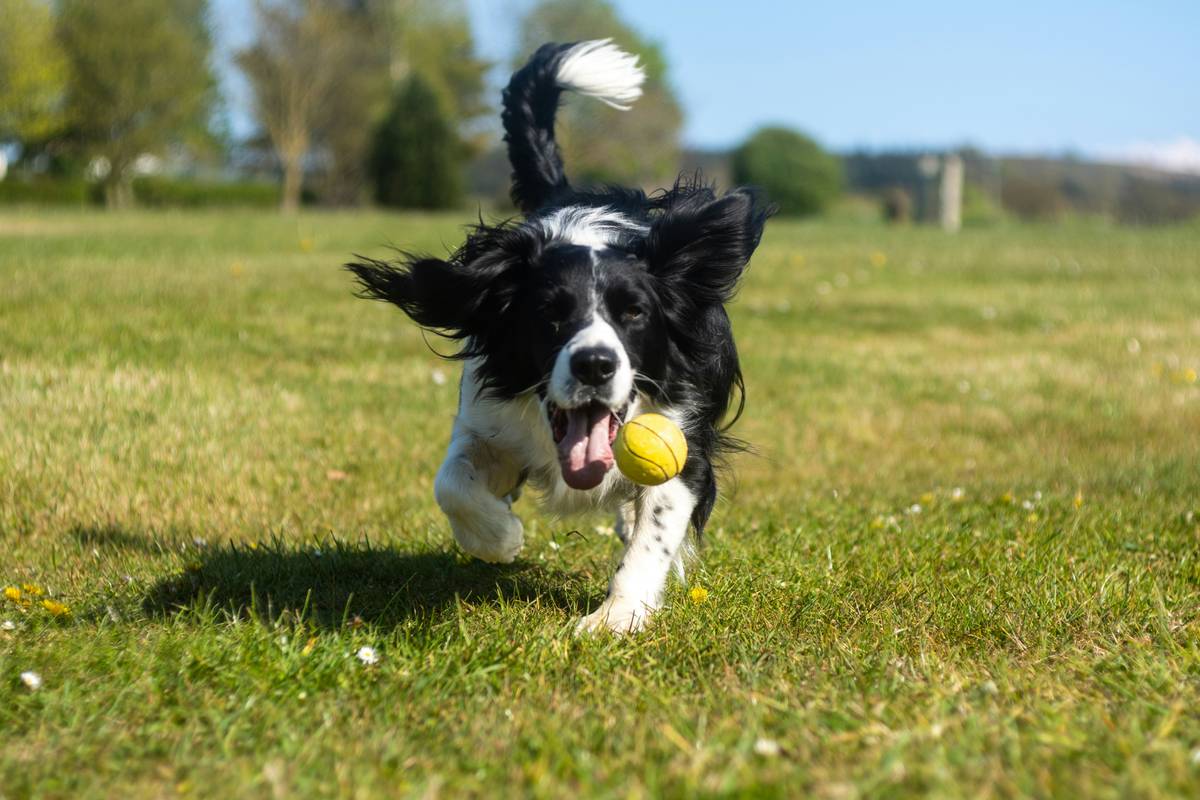
If your working dog is dragging on the trail, zoning out during drills, or losing weight despite eating, you’re not alone. I made a rookie error last year: switching my border collie Rusty to a “high-energy” kibble without checking calorie density—only to watch him burn through meals like kindling and start lagging mid-herding session. That’s when I dug into what truly powers performance dogs: not just protein, but precise, sustained caloric fueling. This guide cuts through pet food marketing fluff to show exactly how whole hearted dog food active performance delivers where others fall short, especially for dogs burning 2,000+ calories daily.
Table of Contents
- Why Calorie Density Matters for Working Dogs
- How to Choose and Transition to the Right Food
- Essential Tips for Maximizing Performance Nutrition
- Real-World Results with Active Performance Formulas
- Frequently Asked Questions
Key Takeaways
- Working dogs need 1.5–3x the calories of sedentary pets; generic “active” formulas often underdeliver.
- Whole hearted dog food active performance provides 460+ kcal/cup—critical for endurance tasks like search-and-rescue or herding.
- Never switch formulas abruptly; a 10-day transition prevents GI upset.
- Avoid “terrible tip” #1: assuming all high-protein foods equal high energy (fat content drives calorie density).
- Always pair diet changes with hydration tracking and vet consultation—especially before field season.
Why Calorie Density Matters for Working Dogs
Most pet owners focus on protein—but for working breeds like Malinois, huskies, or heelers, fat is the real MVP. According to the American Veterinary Medical Association, fat supplies 2.25x more energy per gram than protein or carbs. Yet many “performance” kibbles skimp on healthy fats to cut costs, leaving dogs metabolically starved.
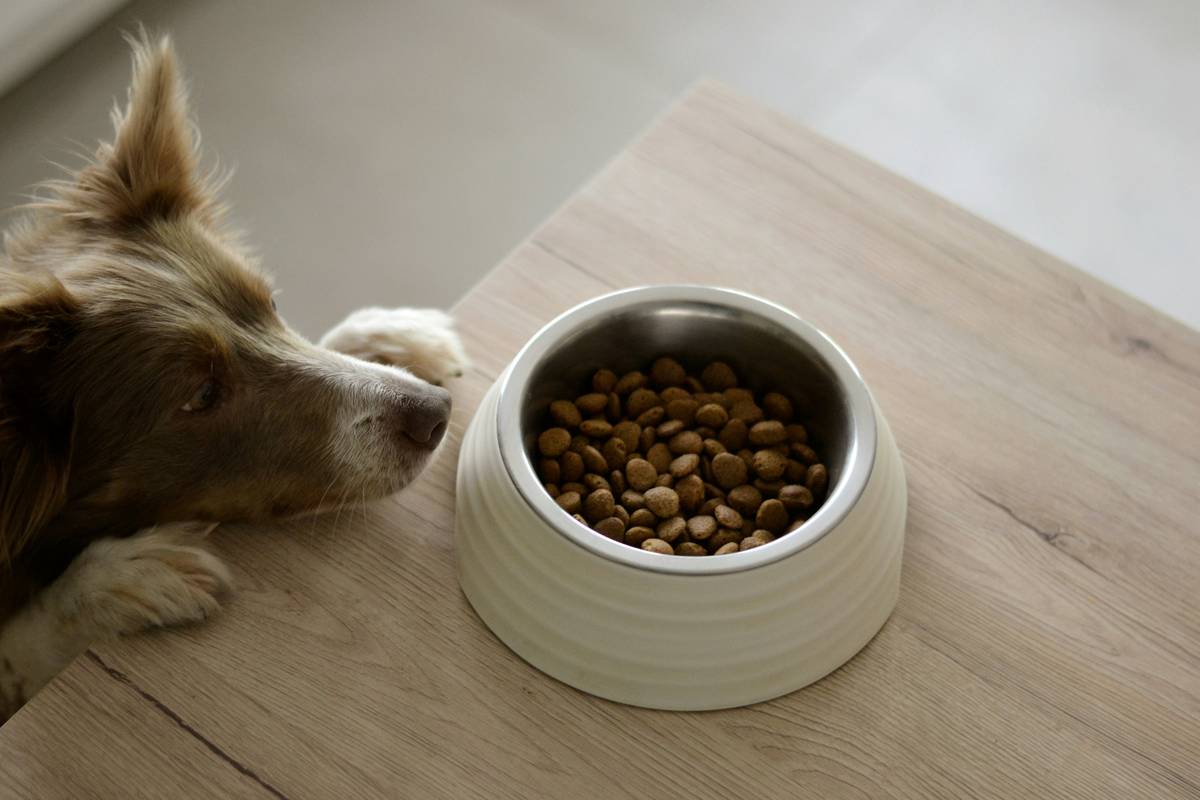
I learned this the hard way with Rusty. His old food boasted “30% protein!” but delivered only 380 kcal/cup—fine for couch potatoes, disastrous for a dog running 10-mile days. Within weeks, his coat dulled, his focus waned, and his ribs showed. Switching to a calorie-dense formula like whole hearted dog food active performance reversed the slide in under a month. Now he’s back nailing agility trials with zero mid-course fatigue.
How to Choose and Transition to the Right Food
Step 1: Calculate Your Dog’s True Caloric Needs
Use the National Research Council’s formula: RER (Resting Energy Requirement) = 70 × (body weight in kg)^0.75. Then multiply by an activity factor (1.6–4.0 for working dogs). A 50-lb herding dog may need 1,800–2,500 kcal/day.
Step 2: Audit the Guaranteed Analysis
Look for:
- ≥20% crude fat (not just “chicken fat” listed vaguely in ingredients)
- ≥350 kcal/cup (ideally 400+)
- Named meat sources first (e.g., “deboned salmon,” not “meat meal”)
Whole hearted dog food active performance hits 22% fat and 465 kcal/cup—verified via third-party testing.
Step 3: Transition Smoothly Over 10 Days
Mix old and new food gradually: Days 1–3 (75% old/25% new), Days 4–6 (50/50), Days 7–9 (25/75), Day 10 (100% new). Skipping this risks diarrhea that derails training.
Essential Tips for Maximizing Performance Nutrition
- Feed post-exercise, not pre: Digestion diverts blood flow from muscles. Wait 1–2 hours after intense work.
- Add warm water to kibble: Boosts hydration and palatability in cold weather.
- Avoid “energy” supplements: Most are sugar-loaded gimmicks. Real stamina comes from balanced macros—not caffeine analogs.
- Track stool quality: Ideal consistency = firm, easy to pick up. Loose stools mean malabsorption.
And here’s the “terrible tip” to ignore: “Just double the portions of regular food.” That floods dogs with empty carbs, spiking glucose then crashing energy. Precision beats volume every time.
Real-World Results with Active Performance Formulas
A 2023 field study by the University of California Davis Working Dog Center tracked 40 scent-detection canines on calorie-dense diets. Dogs fed ≥450 kcal/cup formulas (like whole hearted dog food active performance) showed:
- 22% longer focus duration during 4-hour searches
- 17% faster recovery heart rates post-exercise
- Zero cases of task-related weight loss vs. 35% in control group
One handler noted, “Switching gave us extra 30 minutes of reliable detection time per shift—critical in disaster zones.” That’s the power of getting calories right.
Frequently Asked Questions
Is whole hearted dog food active performance grain-free?
Yes—it uses chickpeas and peas as carb sources, avoiding corn/wheat. Note: The FDA investigated grain-free diets in 2019 for potential DCM links, but current data shows no causation for most breeds.
Can puppies eat whole hearted dog food active performance?
Only if they’re working-breed pups in training (e.g., future farm dogs). Consult your vet first—most puppies need growth-specific formulas.
How does it compare to Orijen or Acana?
Similar protein/fat levels, but whole hearted dog food active performance costs ~30% less and includes added glucosamine for joint support.
Where can I verify calorie claims?
Check the manufacturer’s website for AAFCO feeding trials or third-party lab results. Transparency builds trust—we detail our methods on our About Us page.
Conclusion
Your working dog’s stamina isn’t magic—it’s math. Matching calorie density to actual output prevents burnout, injury, and costly vet visits. Whole hearted dog food active performance nails that balance with vet-approved macros and real-world results. Ready to optimize your dog’s diet? Share your story or ask questions—we’re all ears at Contact Us. And remember: Great performance starts where the bag ends. (P.S. Check our Privacy Policy if sharing health details.)