If your K-9 partner is logging 10-mile patrols, herding livestock in sub-zero temps, or competing in intense agility trials, standard kibble won’t cut it. I learned this the hard way when my Belgian Malinois, Rex, started losing weight mid-season despite eating twice his normal portions. His coat dulled, his stamina tanked—and my vet confirmed it: he needed high calorie working dog food, not just more of the wrong fuel. This guide cuts through marketing fluff to deliver exactly what active working dogs need to thrive.
Table of Contents
- Why Calorie Density Matters for Working Dogs
- Step-by-Step Guide to Choosing the Right Formula
- Best Practices for Feeding High-Energy Canines
- Real-World Results: What Works (and What Doesn’t)
- Frequently Asked Questions
Key Takeaways
- Working dogs often require 2–5x the calories of sedentary pets—high calorie working dog food bridges that gap efficiently.
- Calorie density ≠ empty fillers: prioritize fats from animal sources and digestible proteins over corn or soy.
- Transition slowly over 7–10 days to avoid GI upset—a mistake I made that landed Rex with painful bloat.
- Always pair nutrition with veterinary oversight; the American Kennel Club emphasizes breed-specific energy needs.
Why Calorie Density Matters for Working Dogs
Think of your working dog as a high-performance engine. A sprinter doesn’t run on low-octane gas—and neither should your search-and-rescue German Shepherd. According to the National Research Council (NRC, 2006), active working dogs can burn 4,000–10,000+ kcal/day depending on intensity, temperature, and duration of work. Standard dog food (~300–400 kcal/cup) simply can’t meet that demand without causing digestive overload from sheer volume.
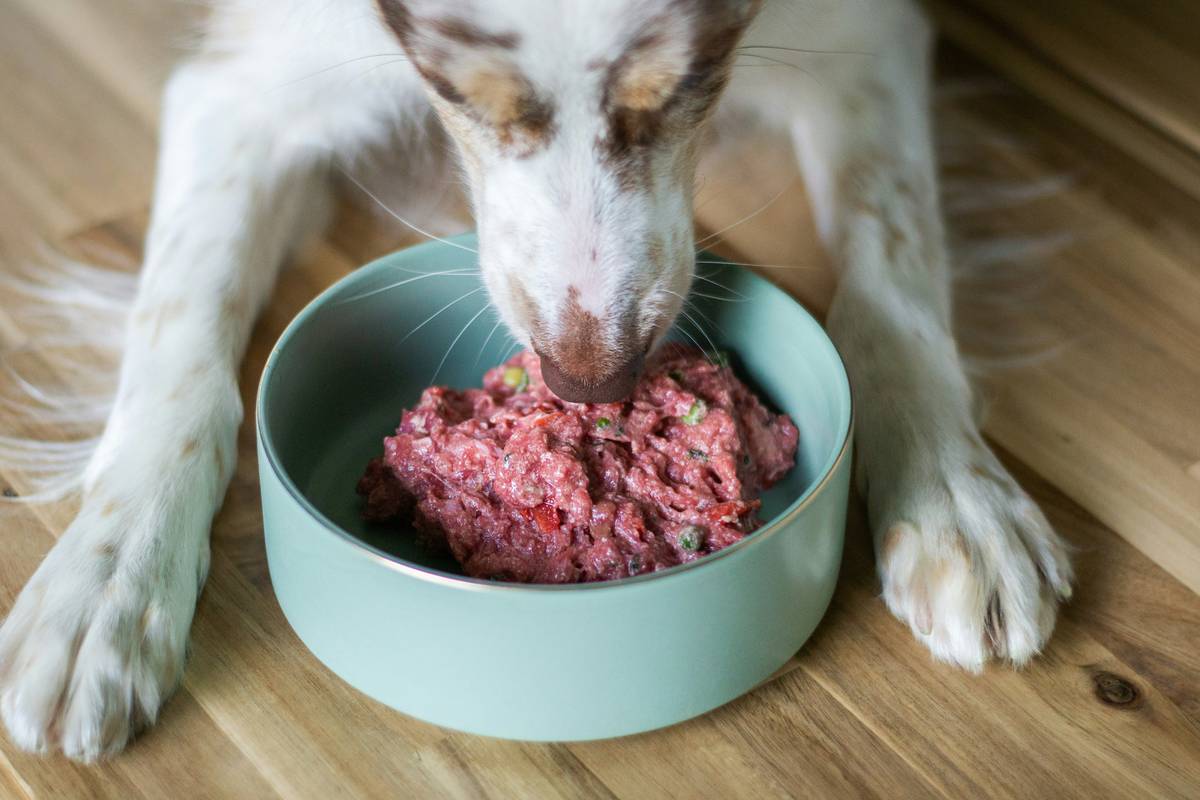
That’s where calorie-dense formulas shine. They pack 500–600+ kcal per cup using concentrated energy sources like chicken fat, fish oil, and egg—enabling dogs to get necessary fuel in smaller, digestible portions. Without this, you risk malnutrition disguised as fullness.
Step-by-Step Guide to Choosing the Right Formula
1. Calculate Your Dog’s True Energy Needs
Use the formula: Resting Energy Requirement (RER) = 70 × (body weight in kg)^0.75. Then multiply by an activity factor (e.g., 2.0 for moderate work, up to 5.0 for extreme). Online calculators from veterinary schools like Ohio State University simplify this.
2. Decode the Guaranteed Analysis Panel
Look for ≥28% protein and ≥20% fat—minimums for sustained performance. Avoid “crude fiber” over 5%; it dilutes usable calories. Ingredients should list named animal proteins (e.g., “salmon,” not “meat meal”) first.
3. Validate with Real Performance
Monitor stool quality, coat sheen, and recovery time post-task. If stools are loose or energy dips mid-shift, reassess. Trust your eyes over label claims.
Best Practices for Feeding High-Energy Canines
- Split meals: Feed 2–3 times daily to prevent bloat—especially critical for deep-chested breeds.
- Hydrate strategically: Offer water before and after meals, not during, to avoid diluting stomach acids needed for fat digestion.
- Avoid “terrible tip” territory: Never add raw bacon grease or butter for extra calories. These cause pancreatitis. Stick to vet-approved fats.
- Rant alert: Stop buying “working dog” food that’s just regular kibble with beef flavoring! Check kcal/cup—many brands exploit the label without actual density upgrades.
Real-World Results: What Works (and What Doesn’t)
Last winter, Alaska-based musher Lena Rodriguez switched her lead sled dog team from generic “performance” kibble (420 kcal/cup) to a true high calorie working dog food (580 kcal/cup). Within three weeks, her dogs maintained weight in -30°F runs and showed faster post-run recovery. Stool volume dropped 30%, reducing sled trail cleanup—a practical win. Conversely, a border patrol K-9 unit reported joint issues after feeding a high-protein but low-fat formula; they missed that working dogs need fat, not just protein, for endurance. Always balance macros.
Your journey starts with informed choices. Learn more about our mission at About Us, and if your dog has unique needs, contact us directly—we’ve been there too.
Frequently Asked Questions
What’s the difference between high calorie working dog food and puppy food?
Puppy food prioritizes growth nutrients (e.g., calcium for bones), while high calorie working dog food focuses on sustained energy via fats and easily metabolized carbs—without excess minerals that could harm adult dogs.
Can I feed high calorie working dog food to a senior working dog?
Only if they’re still actively working. Senior dogs not performing tasks need lower-calorie diets to avoid obesity. Consult your vet first.
How do I transition without causing diarrhea?
Mix 25% new food with 75% old for Days 1–3, then 50/50 for Days 4–6, then 75% new for Days 7–9 before fully switching. Add plain pumpkin if stools soften.
Is grain-free necessary for working dogs?
No—unless your dog has a diagnosed grain allergy. Whole grains like oats provide slow-release energy valuable during long tasks. The FDA notes no proven link between grains and DCM in non-predisposed breeds.
Feeding right isn’t just about meals—it’s about respect for the job your dog does. When in doubt, we’re here to help: reach out. And remember our commitment to your trust: review our Privacy Policy anytime.
Final thought: “Great dogs aren’t born—they’re fueled.”