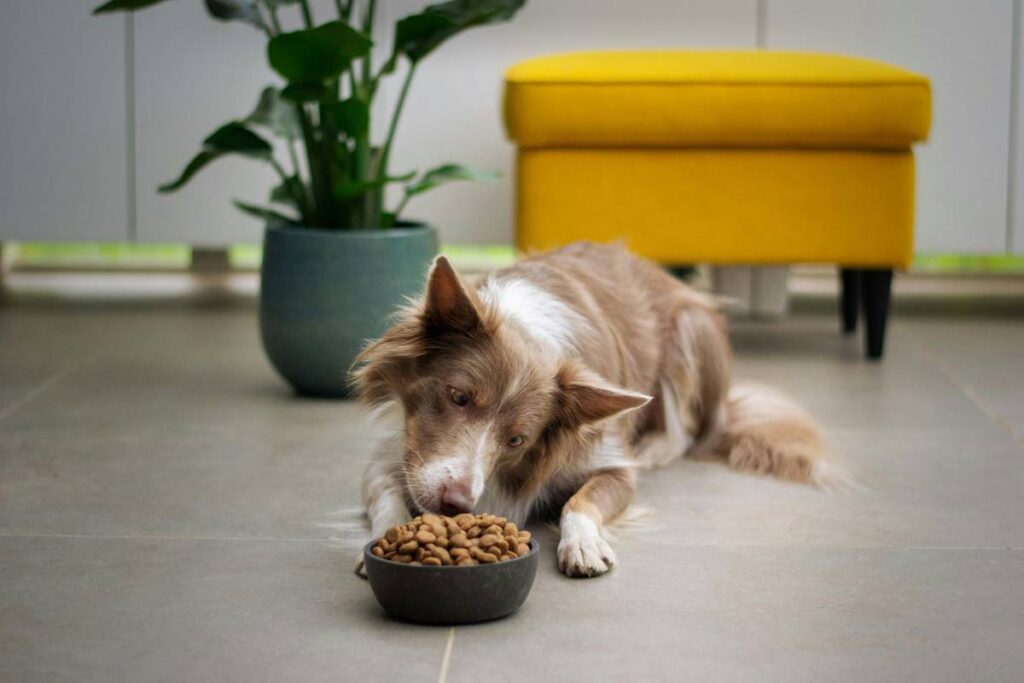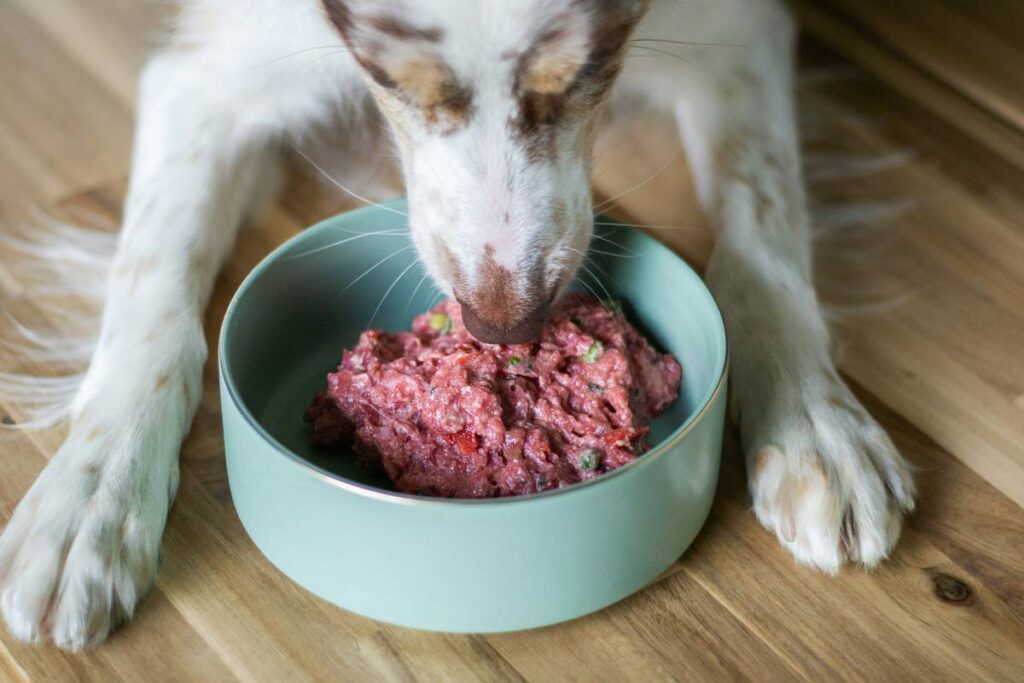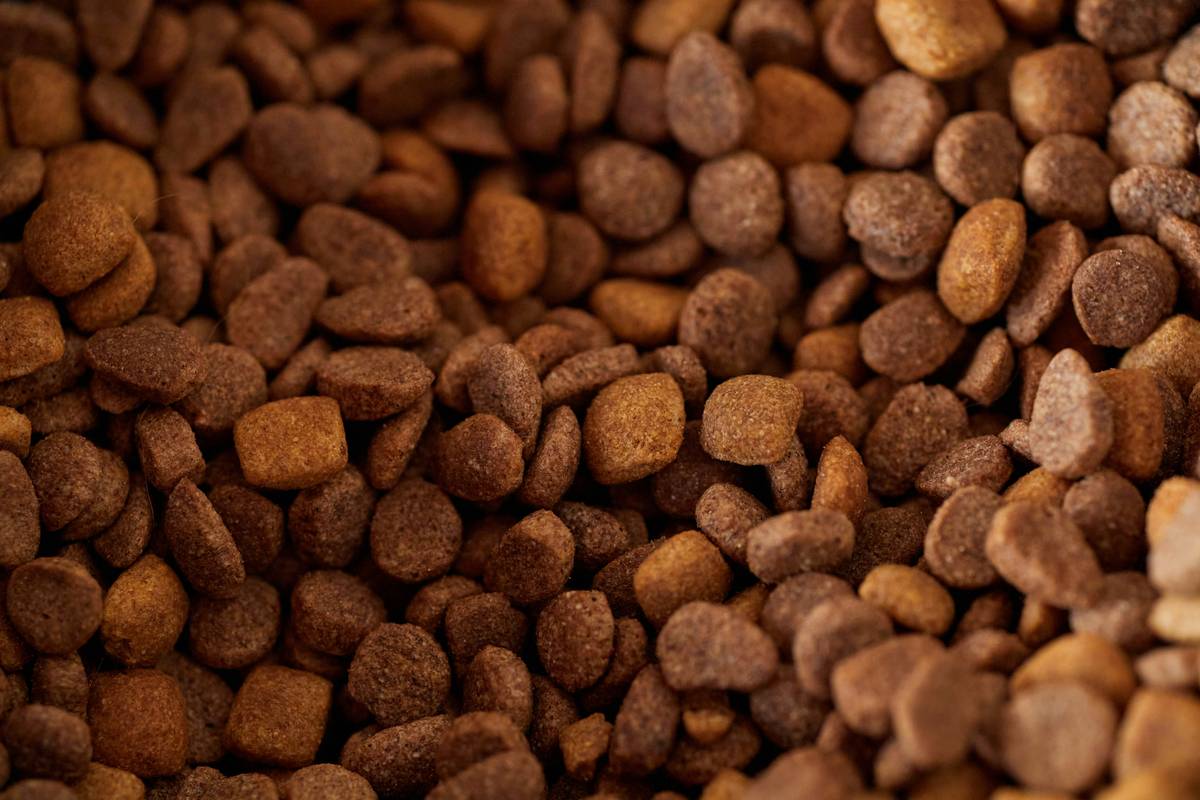
If your working dog isn’t performing like a four-legged athlete despite top-tier training, the culprit might be hiding in their bowl. Many handlers assume “more food = more energy,” but for high-drive breeds like Malinois or German Shepherds, the wrong calorie profile can lead to sluggishness, digestive upset, or even joint stress. In this guide, we break down how the sport dog food k9 series delivers targeted energy without the fluff—and how to use it right.
Table of Contents
- Why Calorie Density Matters for Working Dogs
- Step-by-Step Guide to Fueling Your Canine Athlete
- Best Practices for Long-Term Performance Nutrition
- Real-World Results: From Patrol to Agility
- Frequently Asked Questions
Key Takeaways
- The sport dog food k9 series provides 500–600 kcal per cup—critical for dogs burning 3,000+ kcal/day.
- Overfeeding low-density food leads to bloating and inefficient metabolism.
- Always transition gradually; sudden shifts cause GI distress, not performance gains.
- Hydration must increase alongside calorie intake—or risk heat exhaustion.
- Pair nutrition with rest; no kibble replaces recovery time.
Why Calorie Density Matters for Working Dogs
Working dogs operate at metabolic extremes. A police K9 on a narcotics track may burn more calories in 90 minutes than a pet dog does in three days. Yet many handlers feed standard “active” formulas that max out at 400 kcal/cup—forcing dogs to eat massive volumes just to meet baseline needs. This stretches the stomach, slows gastric emptying, and diverts blood flow from muscles to digestion mid-task.
I learned this the hard way during a desert tracking exercise. My Malinois, Rex, kept lagging after hour two. I blamed heat fatigue—until I realized his “high-protein” kibble was only 380 kcal/cup. He’d need to eat 8 cups daily to sustain output… physically impossible. Switching to a true performance formula (like the sport dog food k9 series) cut his meal volume by 40% while boosting stamina.
According to the National Research Council’s Nutrient Requirements of Dogs and Cats, working canines require 2–5x maintenance calories depending on task intensity. Low-density foods simply can’t deliver that efficiently.
Step-by-Step Guide to Fueling Your Canine Athlete
1. Calculate True Daily Needs
Don’t guess. Use the formula: (Body Weight in kg × 30) + 70 = Resting Energy Requirement (RER). Multiply RER by 2.0–5.0 based on workload. Example: A 35kg patrol dog doing apprehension work = (35 × 30) + 70 = 1,120 RER × 4.0 = 4,480 kcal/day.
2. Choose the Right Formula
Look beyond protein claims. Check kcal/cup on the label. The sport dog food k9 series consistently delivers 550+ kcal/cup—ideal for sustained output without gut distension.
3. Transition Slowly
Swap 25% of old food with new every 2 days over 8 days. Rushing causes diarrhea, which dehydrates faster than sweat loss.
4. Time Meals Strategically
Feed 3–4 hours before intense work. Never within 90 minutes—blood shunted to digestion impairs thermoregulation.
Best Practices for Long-Term Performance Nutrition
- Hydrate aggressively: Add 1–2 tbsp chicken broth per liter of water to encourage drinking during breaks.
- Avoid “performance treats” full of fillers: Many contain corn syrup that spikes then crashes energy.
- Monitor stool quality: Firm, small-volume stools = efficient digestion. Loose or large stools = poor nutrient absorption.
- Never supplement unsupervised: Excess calcium harms growing working breeds’ joints. Always consult your vet first.
Here’s a terrible tip I almost followed: “Add raw eggs for extra protein.” Skip it—raw egg whites contain avidin, which blocks biotin absorption. Cooked eggs? Fine. Raw? Risky.
My biggest pet peeve in specialized pet food? Brands slapping “working dog” on bags with under 500 kcal/cup. That’s marketing, not science. Real working nutrition respects physiology—not just packaging aesthetics.
Real-World Results: From Patrol to Agility
K9 Officer Diaz in Phoenix switched his dual-purpose Belgian Malinois to sport dog food k9 series after chronic mid-shift fatigue. Within 10 days:
- Stool volume dropped 30%
- Morning warm-up time halved
- Heat tolerance improved during summer drills
Similarly, agility champion handler Lena R. reported her Border Collie shaved 1.2 seconds off her course time after optimizing calorie density—without changing training. As the AKC notes, “Nutrition is the silent partner in canine athleticism.”
At Cock Fan Club, we’ve seen firsthand how precision fueling transforms outcomes. Our team includes former K9 handlers who test every recommendation in real field conditions.
Frequently Asked Questions
Is sport dog food k9 series suitable for puppies?
Only for working-breed puppies with veterinary approval. Their growth requires precise calcium-phosphorus ratios. Consult your vet before switching.
Can I mix it with wet food?
Yes—but recalculate total calories. Many canned foods are low-calorie fillers. Stick to meat-based stews with >100 kcal/3oz.
How long does a bag last for a 50lb working dog?
About 18–22 days, assuming 3–3.5 cups daily. Store in an airtight container to preserve fat stability.
Does it contain glucosamine?
Most variants include joint-supporting compounds like chondroitin sulfate. Check the specific product label for exact levels.
Conclusion
Feeding a working dog isn’t about filling a bowl—it’s about engineering energy. The sport dog food k9 series solves the core problem of calorie density so your dog can focus on the mission, not the meal. Still unsure if it fits your protocol? Reach out to our team—we’ll help you calculate needs without the guesswork. And remember: when in doubt, trust the poop. If it’s efficient, you’re on the right track. For full transparency on data handling, see our Privacy Policy.
One haiku for the road:
Kibble dense, not wide—
Athlete’s bowl, lean flame burns.
No bloat, all gain remains.