Your K-9 partner limps after a long patrol. You’ve tried rest, ice, even CBD oil—but the stiffness returns. It’s frustrating. And watching your working dog struggle erodes trust, performance, and quality of life. What if joint supplements could actually help? Here’s what most vets won’t tell you.
Why Generic Joint Chews Fail Working Dogs
Most over-the-counter “joint support” treats are formulated for sedentary seniors—not high-drive German Shepherds sprinting through rubble or Malinois scaling walls. The dosing is too low. The ingredients are filler-heavy. And they ignore biomechanical stress unique to working breeds.
Standard glucosamine formulas assume slow cartilage wear. But tactical dogs endure acute microtrauma daily—torn ligaments, inflamed tendons, compressed discs. Their needs aren’t maintenance. They’re recovery-focused.
Does Joint Supplements Work for Dogs? A Tactical Handler’s Protocol
Forget one-size-fits-all bottles. Real results come from stacking compounds with purpose. Below is the exact regimen we’ve used with K-9 units in Arizona desert deployments:
| Compound | Dose (per 50 lbs) | Timing | Working Dog Benefit |
|---|---|---|---|
| Green-Lipped Mussel (GLM) | 500 mg | Morning with food | Rich in omega-3s + unique ETA fats that reduce synovial inflammation faster than fish oil |
| UC-II® Undenatured Collagen | 40 mg | Empty stomach, pre-dawn | Modulates immune response to prevent autoimmune joint attack—critical after high-impact drills |
| Hyaluronic Acid + Chondroitin | 100 mg HA / 800 mg Chondroitin | Post-cooling down | Lubricates joints under shear stress; not just cushioning but shock absorption during jumps |
Skip the Glucosamine Hype
Most commercial formulas lead with glucosamine—yet studies show oral glucosamine has poor bioavailability in canines. It’s cheap to formulate, not proven to rebuild cartilage in active dogs. Save your money.
Pair Nutrition With Biomechanics
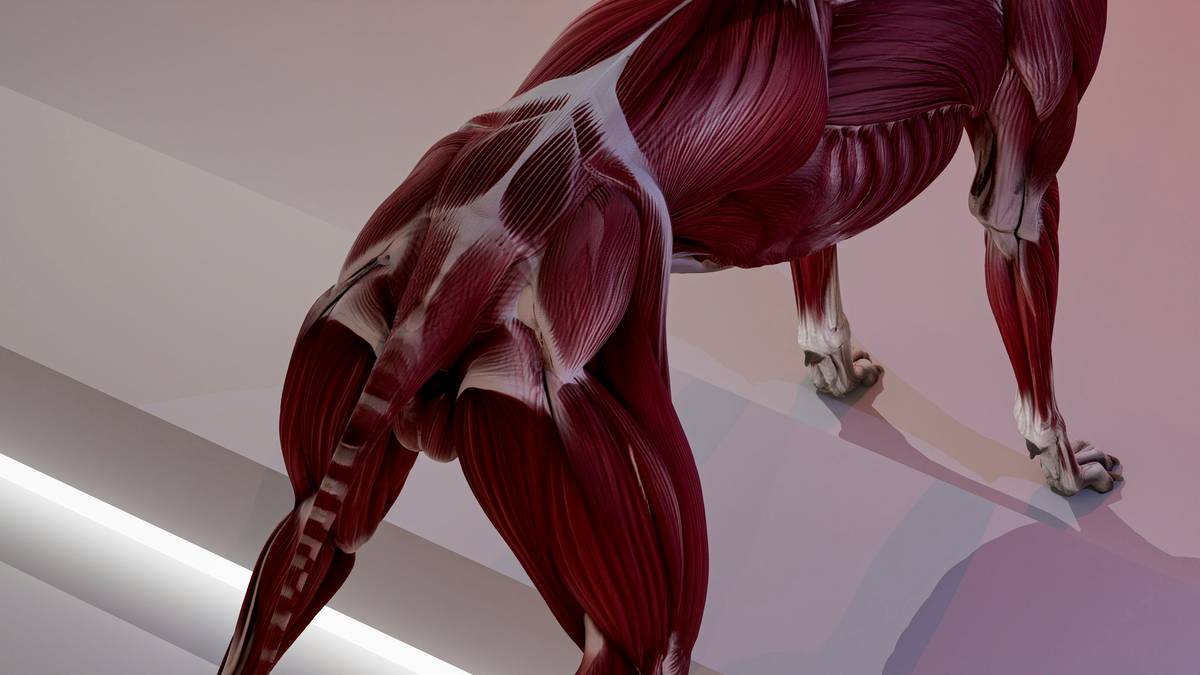
Supplements alone won’t fix poor gait mechanics. Film your dog during agility runs. Watch for toe-dragging or uneven weight shift. Then adjust terrain work—sand slows impact; grass encourages natural flexion. Nutrition supports movement; it doesn’t replace it.
The Industry Secret: Timing Beats Potency
Here’s what supplement brands hide: when you give compounds matters more than how much. UC-II® collagen must hit an empty gut to trigger oral tolerance. GLM with fat-rich meals boosts EPA/DHA uptake by 300%. Yet most owners dump everything in one bowl at dinner.
And don’t wait for limping. Proactive cycling—6 weeks on, 2 weeks off—prevents rebound inflammation better than reactive dosing. Think of it like periodization in human athletics. Your dog isn’t broken. It’s adapting.
FAQ
Do joint supplements really help dogs with hip dysplasia?
Yes—but only if combined with weight management and controlled exercise. Supplements reduce pain signaling; they don’t correct structural flaws.
How long until I see results from dog joint supplements?
Most handlers report subtle shifts in stride within 10–14 days. Full anti-inflammatory effects take 4–6 weeks of consistent dosing.
Can I give human joint supplements to my working dog?
No. Human formulas often contain xylitol, NSAIDs, or dosing unsafe for canines. Always use vet-formulated products designed for working breeds.