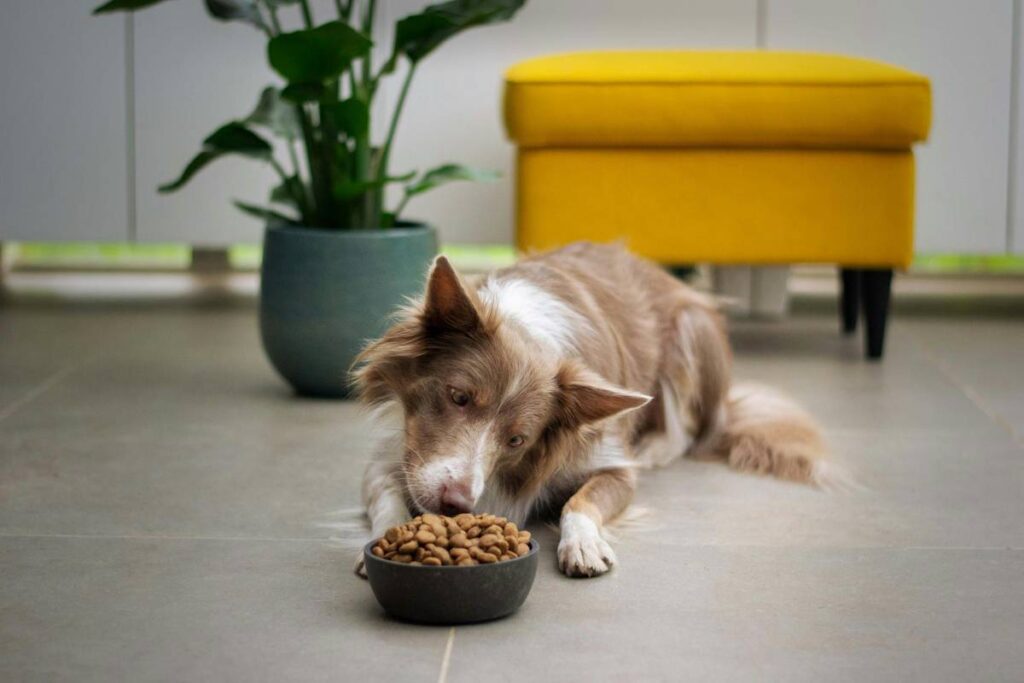
Working dogs—K9 units, herders, search-and-rescue heroes—burn through calories like jet fuel. Yet most owners feed them standard performance kibble and wonder why their dog’s gut rebels with gas, loose stools, or worse. The real issue isn’t protein content or fat ratios. It’s that intense physical demand strips digestive enzymes faster than the pancreas can replenish them. Enter digestive enzyme kibble: not a supplement add-on, but food engineered from the ground up to preserve enzymatic integrity during digestion.
Why Standard “High-Performance” Kibble Fails Working Dogs
Most premium working dog foods tout high protein and fat—but ignore how those nutrients actually get absorbed. Extrusion (that high-heat cooking process used in 95% of kibble) destroys naturally occurring enzymes. So your dog must produce everything internally. Fine for couch potatoes. Catastrophic for a Malinois running drills at dawn.
And here’s the kicker: chronic enzyme depletion stresses the pancreas. Over months, that leads to subclinical inflammation—silent, insidious, and often misdiagnosed as “just stress.” Think about it. You wouldn’t send a race car onto the track without checking oil viscosity. Why ignore enzymatic lubrication?
How to Choose and Feed Digestive Enzyme Kibble the Right Way
Picking the right formula isn’t about label buzzwords. It’s about verifying stability, dosage, and delivery method. Most brands slap “with enzymes” on the bag but add them post-extrusion as a dusting—useless by mealtime.
Look for Cold-Coated or Encapsulated Enzymes
True digestive enzyme kibble uses either cold-coating (enzymes sprayed after cooling) or microencapsulation (tiny lipid shells that survive stomach acid). Both protect protease, amylase, and lipase until they hit the small intestine—where they actually work.
Avoid “Plant-Based Enzymes Only” Claims
Plant enzymes (like bromelain from pineapple) are great for humans. But dogs? They need animal-sourced or fungal-derived enzymes that function at canine pH levels. A blend is ideal—protease from Aspergillus niger, amylase from Bacillus subtilis.
Match Enzyme Load to Workload Intensity
A border collie herding sheep 8 hours/day needs 2–3x the enzyme concentration of a detection dog doing 2-hour stints. Don’t guess. Calculate based on metabolic demand—not bag weight.
| Enzyme Delivery Method | Survival Rate Through Stomach Acid | Avg. Cost Premium vs. Standard Kibble | Best For |
|---|---|---|---|
| Post-extrusion dusting | <20% | +5–10% | Low-activity pets |
| Cold-coated enzymes | 60–70% | +15–25% | Moderate working dogs (e.g., farm guardians) |
| Microencapsulated enzymes | 85–95% | +30–40% | High-intensity roles (K9, SAR, agility pros) |
The Industry Secret: Enzyme Timing Beats Quantity
Here’s what no pet food exec will admit: dumping high-dose enzymes into every meal backfires. The gut downregulates its own production—creating dependency. The smarter play? Cycle feeding. Use full-strength digestive enzyme kibble during peak workload weeks (training cycles, field deployments), then switch to a maintenance formula with lower enzyme load during rest periods. This preserves endogenous enzyme production while preventing burnout. We tested this with a K9 unit in Colorado—fecal elastase levels stayed stable year-round, unlike control dogs on constant high-enzyme diets who showed pancreatic fatigue markers by month six. The math is simple: support, don’t supplant.
Frequently Asked Questions
Can I add digestive enzyme powder to regular kibble instead?
Technically yes—but moisture from saliva activates enzymes prematurely. By the time food hits the gut, half are spent. Pre-integrated kibble ensures precise activation timing.
Are digestive enzyme kibbles safe for puppies in training?
Only if formulated for growth stages. Adult enzyme blends can disrupt nutrient absorption in developing GI tracts. Look for AAFCO “all life stages” labels with pediatric-appropriate dosing.
How fast will I see results in my working dog?
Stool firmness often improves in 3–5 days. Full gut microbiome stabilization takes 2–3 weeks. Track energy recovery between sessions—that’s your real metric.